
Approved product definition
Dimensions, layout, openings, interfaces and project-specific revisions.
Quality control
Quality control begins with an approved model, drawing, configuration and responsibility matrix—not a generic factory inspection checklist.
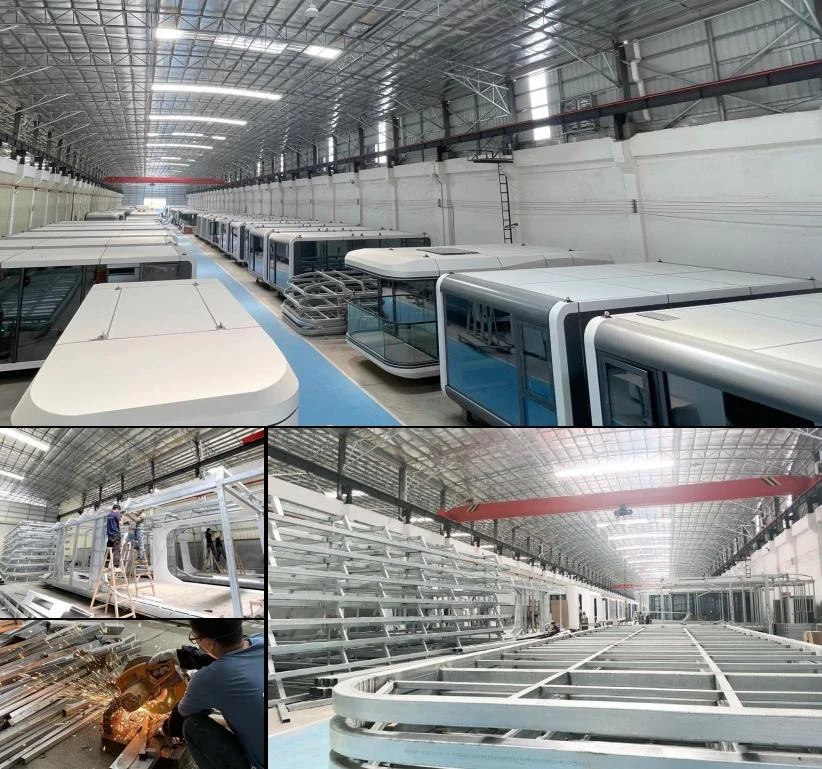
Direct answer
Inspection should compare the actual unit against the approved drawings and configuration: dimensions, structure, envelope, glazing, interior finish, bathroom, equipment, electrical requirements, visible workmanship, documentation, packing and shipment identification. The agreed inspection scope must be defined before production.
Order evidence
Dimensions, layout, openings, interfaces and project-specific revisions.
Materials, finishes, fixtures, equipment and excluded local work.
Visual, dimensional, functional and documentary checks agreed for the selected unit.
Unit identity, loose items, protection, loading information and destination handoff.
Before contract
Every answer should be tied to the written quotation, approved order file or responsibility matrix rather than left as an assumption.
The quotation and contract should name the production base, the contracting seller and the invoice or export entity. If more than one party is involved, their manufacturing, commercial and document responsibilities should be stated.
Use the latest drawing revision approved in writing. Its revision number or date should appear in the order file so production, inspection and destination teams are checking the same product definition.
The approved configuration list should separate the base product, selected options, buyer-supplied items, excluded local work and any model-specific substitutions.
Match each document to the selected model, named holder or manufacturer, installed material or component, referenced standard, destination market and validity period.
The commercial documents should define the inspection stages, sampling level, functional checks, photos or reports, responsible party and acceptance process before shipment.
The packing list should identify each loose item by unit, quantity and package, with suitable protection and labels so the destination team can receive, store and assemble it correctly.
Unless the contract includes a different scope, the destination team normally coordinates access, foundations, unloading, lifting or M Series assembly, utilities, permits, local inspections and commissioning.
Changes to dimensions, layout, materials, brands, voltage, equipment, documents, packing or destination scope should receive written approval and a review of price, schedule and compliance impact.
Start with your site
Share the country, site, quantity, use, guest capacity and target opening date. Easysail will help compare the documented models and coordinate the next technical and commercial questions.